Publication date:
Publication from:
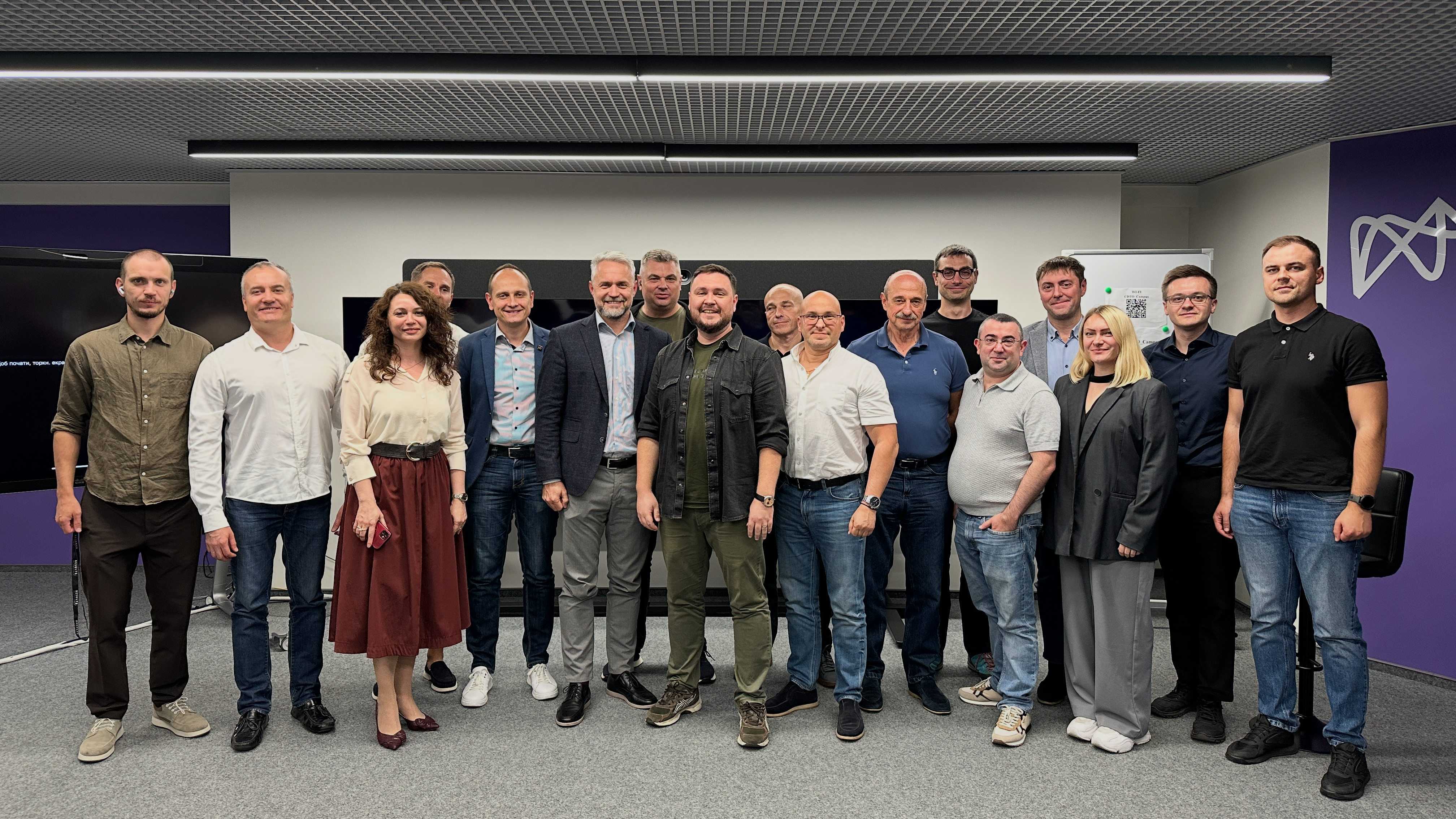
On September 19th, a closed online meeting for ITU Members and ITU Partners took place as a part of ITU Policy Talks, organised by the IT Ukraine Association. The topic of the meeting was ‘Lobbying as a Tool: How New Legislation Changes the Rules of Interaction Between Business and Government’.
The speakers of the event were Yunа Potomkina, Partner, Head of Alternative Dispute Resolution and Co-Head of Public Advocacy & Law at ITU Partner Asters, and Anastasiia Yezerska, Head of the Department for Stakeholder Engagement and Adoption of Anti-Corruption Policy Acts at NACP, discussed the legal framework for lobbying in Ukraine.
They discussed the following topics:
Among the information shared:
On 1st September 2025, the first comprehensive lobbying law in Ukraine came into effect, developed according to a European model. The law establishes clear rules for lobbying activities, regulates registration procedures, and ensures transparency and accountability. It provides the legal basis for the legitimate representation of the interests of businesses and public organisations, clearly distinguishing lobbying from corrupt practices and setting mechanisms for control and responsibility.
The National Agency for Corruption Prevention (NACP) has been granted the authority to manage the Transparency Register, monitor compliance with lobbying legislation, and provide recommendations and consultative support regarding the application of this legislation.
A lobbyist is required to submit a report that includes: identification details of the lobbyist, information about the client, beneficiaries, the subject and object of lobbying, the amount of money spent on lobbying, as well as details of meetings and communications with the lobbying targets.
Failure to pay or submit information to the Transparency Register on time, as well as violating rules regarding the lobbying target, can result in fines ranging from ₴850 to ₴34000, depending on the nature of the violation.
This includes participation in elections, referendums, diplomatic service, as well as legal practice and other social dialogues.
Got questions? Use є-Support — a free legal consultation service for ITU Members.