“Svoe.IT” in Kyiv: How Ukrainian IT Solutions Replace Hostile Analogues and Promote the Digitalisation of SMEs
"Svoe.IT" in Kyiv: How Ukrainian IT Solutions Replace Hostile Analogues and Promote the Digitalisation of SMEs
Publication date:
Publication from:
IT Ukraine
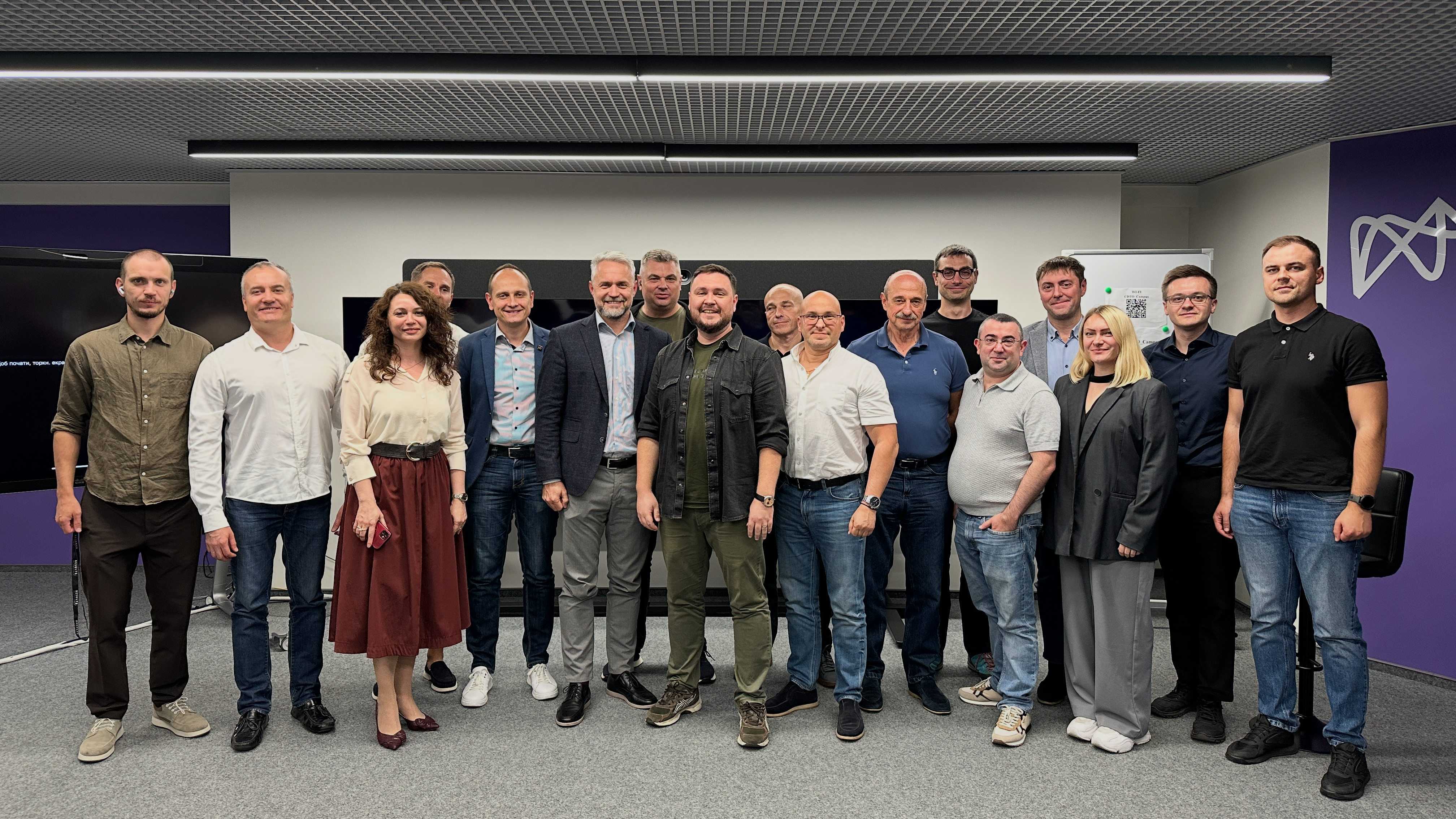
Today, the “Svoe.IT” conference took place in Kyiv. The event was dedicated to showcasing how Ukrainian IT solutions operate, scale, and replace foreign analogues, including russian products.
Opening remarks were delivered by Maria Shevchuk, Executive Director of the IT Ukraine Association, Serhiy Zagorulko, Deputy Chairman of the Board, Chief Information Technology Officer at UKRSIBBANK BNP Paribas Group and Nazariy Kurochko, Co-founder and CEO of GigaCloud.
This year, the participants of Svoe.IT included: BookKeeper SaaS, “Vchasno”, Diya, State Enterprise “INFOTECH”, “InfoPlus”, “Kyivstar”, Legal Technology Solutions, “LOGISTIKON”, “SoftPro-Global”, AI FINTECH, BJet, Checkbox, ConnectiveOne, Coworker Crew, Creatio, DUXIT, GigaTrans, IT Specialist, IT-Enterprise, Konica Minolta Ukraine, LBS Cloud, Lenovo, Liga Zakon, Linkos Group, Macpaw, MASTER, Master CRM, MK Legal, MODUS X, NetHunt, Self-ERP, Shop-Express, SmartTender, Smiddle, ToDo, UniTalk, VoIPTime, YouControl.
During the event, a panel discussion took place titled “Hostile soft: How the state and Society Resist the Enemy and Find Solutions”.The discussion was moderated by Marta Kindrys – Acting Director of the Advocacy and Development Center of the IT Industry of the ITU.
Among the speakers:
Ihor Stelnyk — Colonel, Director of the State Control Department in the Field of Information Protection and Security Auditing, State Special Communications Service;
Andriy Fesenko — Technical Director, “Scientific Association of Cybersecurity of Ukraine”;
Andriy Bezgubenko — Founder of CRM.UA, Ukrainian Architect of XRM Solutions;
Yevhenii Horbachov — CTO, MODUS X.
Among the key points of the discussion:
Enemy software is a serious threat to Ukraine’s national security, as it undermines economic stability and jeopardises strategic object;
Cybersecurity issues, personal data protection, and financing the aggressor through taxes from the sale of russian software are real threats that are already impacting the national level.
70% of Ukrainian companies use at least one software product from russia;
The issue must be addressed not only by the state but also by business and civil society;
It is necessary to strengthen the legislative framework for combating enemy software to more effectively counter cyber threats during wartime;
The state must create conditions to encourage the transition to Ukrainian software solutions by supporting IT companies and providing them with appropriate resources;
The Ukrainian software market is not only capable of meeting the critical needs of the state, business, and society but also has the potential to replace imported software;
Ukrainian businesses are already developing competitive products, the public sector is actively working on awareness campaigns, and the state is formulating the relevant policies;
To achieve success, synergy between all sectors is needed, and each of us must not only expect change but actively participate in it.
The topic of the second panel discussion was “Digitalisation of SMEs: New Opportunities for IT Companies and Partners”. The discussion was moderated by Anna Tyshchenko — CEO of JEVERA.
The speakers included:
Maria Shevchuk — Executive Director, IT Ukraine Association;
Andrii Kashperuk — Deputy Chairman of the Board, Director of Retail Business, UKRSIBBANK BNP Paribas Group;
Andrii Remizov — Director, Office for Business Development and Export;
Oleg Shcherbatenko — Founder and CEO, IT-Enterprise.
The purpose of the discussion was to highlight how the overall trend of digitalization of small and medium-sized enterprises (SMEs), with the support of government structures and active business involvement, not only contributes to the country’s economic development by increasing process efficiency but also creates new opportunities for the IT sector and numerous partners of such companies.
Among the topics discussed:
The main challenges SMEs face when implementing digital technologies;
The partnership between IT companies and SMEs for successful digital transformation;
The key drivers of digitalisation for small and medium-sized businesses that you observe today;
The difference in demand for digital solutions between SMEs and large businesses;
The industries within small businesses that are most actively investing in digitalisation.