CFC and TP: What You Need to Know IT in 2025. Summary of ITU Legal Talks
CFC and TP: What You Need to Know IT in 2025. Summary of ITU Legal Talks
Publication date:
Publication from:
IT Ukraine
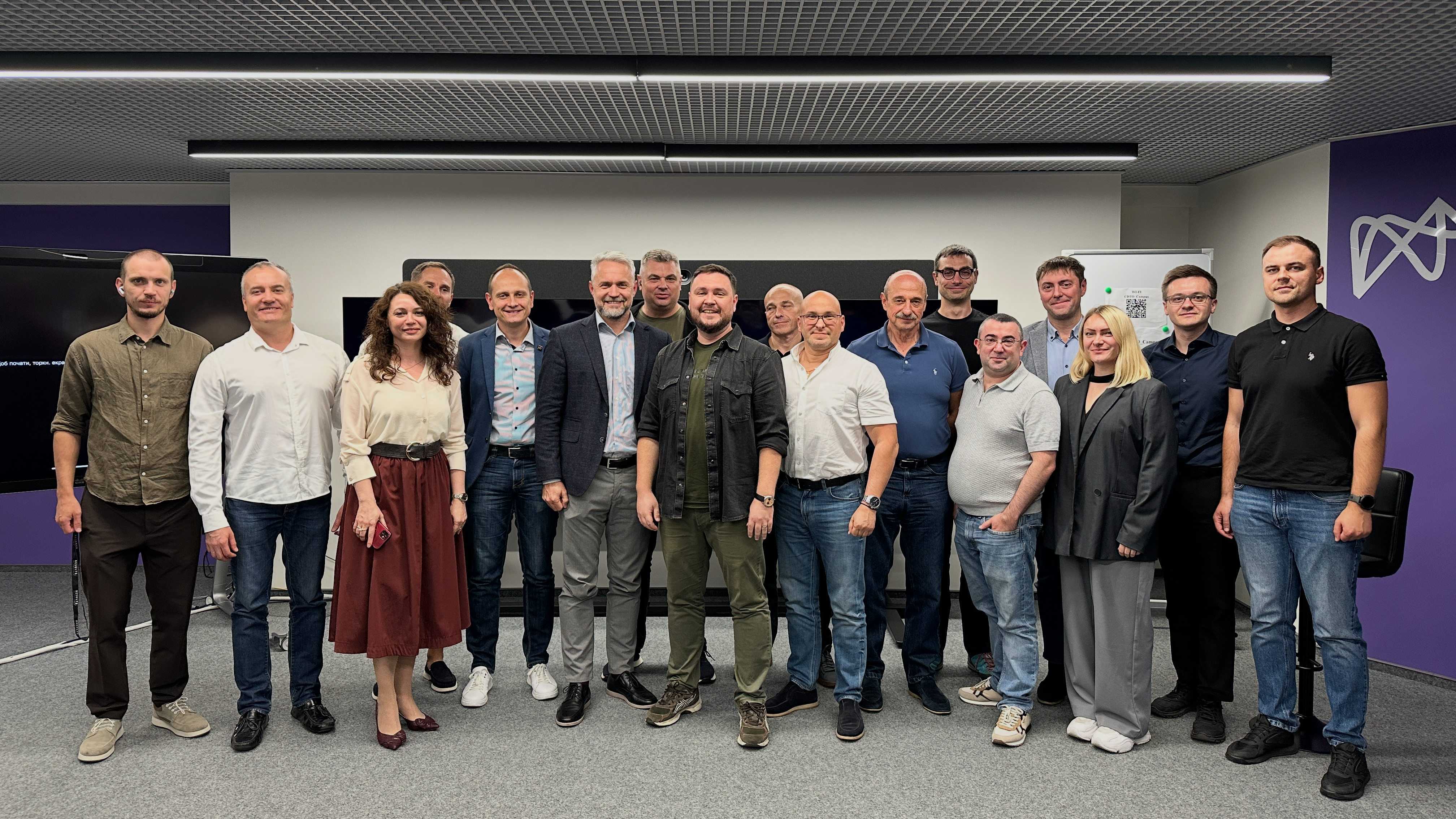
On December 11, an online meeting took place as part of ITU Legal Talks, organized by the IT Ukraine Association. The focus of the discussion was on the topic “CFC and Transfer Pricing (TP): What IT needs to know in 2025”.
Speakers at the event, Anton Klymenko, Senior Lawyer at Tretten Lawyers, Maksym Nosarev, Founder & CEO of Tretten Lawyers,and Denys Ersoi, Managing Tax Associate at Arzinger, discussed the following:
Results of the CFC Declaration Campaign (1 January 2022 – 1 September 2024):
CFC notifications submitted: 16,917;
Full CFC reports submitted: 21,817;
Shortened CFC reports submitted: 10,354.
The results of the declaration campaign show that the new rules have affected at least a few thousand Ukrainian controllers (mainly individuals) and over 20,000 of their foreign structures.
Key Changes in CFC Legislation to Consider in 2025:
The minimum ownership threshold for recognition as a CFC has been reduced from 25% to 10%, leading to the recognition of foreign entities as CFCs (provided Ukrainian residents collectively own 50% or more).
If the President signs Bill 9319 (which is likely), penalties for violations of CFC legislation committed from 1 January 2022 and during martial law will not be applied (as currently postponed). However, it will still be necessary to submit all CFC reports to avoid penalties after the end of martial law.
What Needs to Be Done to Prepare for the CFC Declaration Campaign in 2025:
Focus on and work with the financial statements of CFCs (especially the “expanded” and audited ones) to avoid uncovering any “skeletons in the closet.”
Along with the CFC report, a declaration of property status and income must be submitted. Therefore, check the correctness of reflecting all income received by the controller in 2024, which is included in the tax authority’s database. Additionally, do not forget to reflect other income not received from tax agents (such as income from asset sales, dividends, etc.).
Do not forget about the specifics of taxing dividends that CFCs received from Ukrainian companies or that beneficiaries received from their CFCs (taxation rules in this context have become more complicated).
Communicate with all stakeholders to obtain all necessary documents: foreign providers, other shareholders (Ukrainian residents) of the CFC.
Agree on the terminology in financial reporting with the terminology in CFC reporting (if translation is required).
Identify problematic issues before submitting CFC reports and request an individual tax consultation (IPK) to avoid potential disputes with the tax authorities.
Develop a strategy for submitting or not submitting CFC reports if the CFC beneficiary has left the country and potentially ceased to be a Ukrainian tax resident.
Pay attention to historical tax risks that the tax authorities may focus on when checking CFC reports (in particular, the risk of recognizing the CFC as a permanent establishment in Ukraine due to the presence of a Ukrainian director, the recalculation of repatriation tax due to the lack of proper “substance” when paying passive income from Ukraine, and transfer pricing risks).
Supply Chain and Business Purpose for TP Purposes in IT
When justifying the pricing of operations within transfer pricing (TP), a critical aspect is the clear definition of the business purpose of the operations. For IT companies, it is particularly important that pricing is based on actual costs and services received from subcontractors and contractors.
Gig contracts and agreements with clients must be clearly formulated and demonstrate a transparent “relationship,” with a detailed description of the services provided. Uncertainty in the list of services or vagueness in the pricing mechanism, such as “covering justified costs + 5%”, can raise questions from tax authorities when justifying the price of a controlled transaction.
The business purpose of the operation must also be clearly justified: if the company generates profit through various services or technologies, this should be reflected in contracts and documented to avoid disputes during inspections. This approach allows separating a single controlled transaction into several, forming its own price and justifying profitability for each.
What Operations are Comparable for TP Purposes in IT?
Operations between companies with similar activities must be comparable for TP purposes. If a company provides services to third-party clients, they are only comparable to a controlled transaction if they have similar terms (scope of services, price), and can be compared to transactions between related parties.
Even if a company provides services to third-party clients, but these services are significantly different from controlled transactions, the company should seek other market analogues for similar services and use them as a basis to justify the price of the operation.
It is crucial to choose a TP method that ensures the greatest transparency and compliance with the company’s actual economic operations, contracts, and other documents it prepares. Different methods can be used, with the most commonly applied ones for IT companies being:
Comparable Uncontrolled Price Method — used when there is a sufficient number of similar transactions with unrelated parties.
Profit Split Method — suitable when it is necessary to justify the price formation, based on the cost of services and the markup level.
The conditions of the contract are of great importance to reduce TP risks. For example, in agreements with clients, it is essential to clearly state which services are provided, what costs are covered, and the procedure for forming the price of the transaction (in some cases, the markup level). Transparency and clarity on these matters will help avoid tax risks and ensure the correct application of the TP method.
To learn more about the content of past meetings and register for upcoming ones first, follow the event on Facebook!