Summary of the Mind Export Summit Panel Discussion ‘Ukrainian Technologies in the World. New Realities of Entering Global Markets for Ukrainian Technology Companies’
Summary of the Mind Export Summit Panel Discussion ‘Ukrainian Technologies in the World. New Realities of Entering Global Markets for Ukrainian Technology Companies’
Publication date:
Publication from:
IT Ukraine
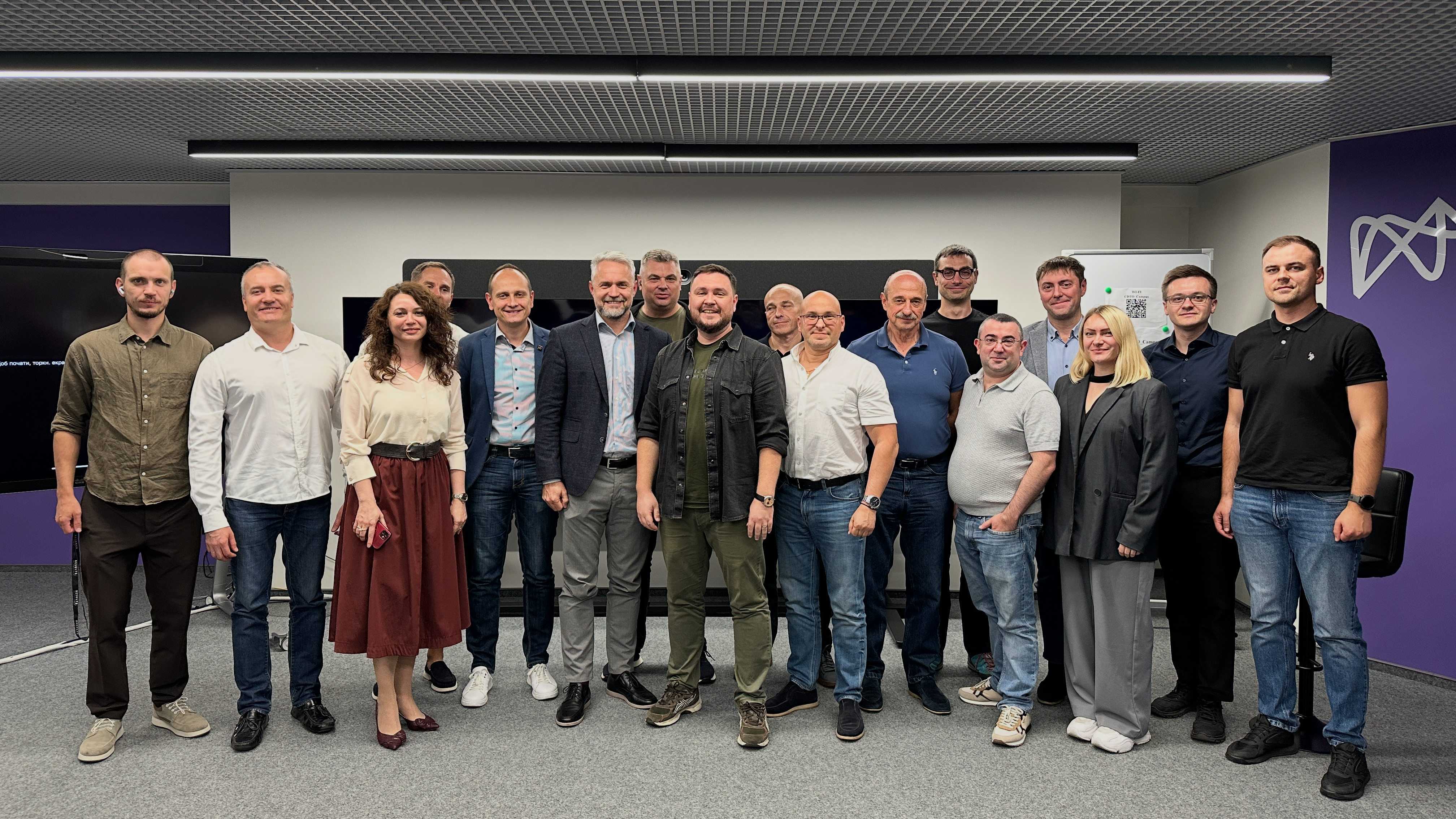
On February 13, 2025, in Kyiv, as part of the Mind Export Summit, a panel discussion took place on the topic ‘Ukrainian Technologies in the World. New Realities of Entering Global Markets for Ukrainian Technology Companies’ organised by the IT Ukraine Association. The participants of the event had the opportunity to learn about new strategies and perspectives for Ukrainian tech companies to enter global markets.
by Roman Chornyi
The panel discussion emphasised key aspects of how Ukrainian companies are adapting to the new conditions of global business and the need to use various strategies for successful expansion into international markets. The discussion was moderated by Maria Shevchuk, Executive Director of the Association. The panel included participants such as Volodymyr Shevchuk (CEO of Howcow), Maxim Popov (CEO and Co-Founder of 42flows.tech) and Zee Gymon (Marketing Manager at HUSPI).
Key points discussed during the panel:
Adaptability and Importance for Export SectorsExporters from different industries feel the impact of geopolitical changes and market trends. This creates the need for adaptation in order to maintain competitiveness. This is especially crucial for export companies, which must quickly respond to changes in both local and international contexts.
Export Share in BusinessCompanies actively working in international markets have varying levels of dependence on exports. For example, HOWCOW has 99.9% of its exports, with the main markets being the USA and Japan. In contrast, companies like HUSPI maintain a significant share of the local market, distributing their efforts between the domestic market (30%) and international markets, particularly the USA and Germany (70%). 42flows.tech has 70% export, with major markets including the USA, Europe and the UAE. The local market makes up 30%.
Different Strategies for Entering the International MarketThere are various ways to enter international markets: through partnerships with local companies, participation in exhibitions, use of grants, cooperation with relevant authorities or through networks of contacts and associations. This helps shorten the time required to study the market and build relationships.
Importance of Networking and PartnershipsNetworking and participation in international conferences are essential tools for building relationships with partners and clients. Sometimes, partners’ support can be a key factor in entering new markets, as it reduces barriers to entry.
Transformation of Business Models in the IT Industry and the Impact of AIThe IT industry is undergoing significant transformation due to the development of artificial intelligence, which is changing how services are provided and products are developed. Comprehensive solutions, adapted to each brand, replace the purchase of licensed/SaaS solutions.
Use of Flexible Business Models and Speed as a Competitive AdvantageSince the war started, many Ukrainian companies have adopted more flexible and faster business models. This enables them to optimise processes, reduce costs and speed up task execution. Tech companies are learning to adapt to new conditions in a constantly changing environment, which boosts their competitiveness.
Local Market and the Importance of Replacing russian SoftwareThe local market has become more significant due to the need to replace russian software, creating new opportunities for Ukrainian developers and growth in the security segment. This contributes to the development of local IT companies and strengthens the economy.
Necessity of Strategy and Testing Different ApproachesEntering international markets requires careful strategy. However, it is sometimes important to test different approaches, seek the most effective methods and adapt to new conditions to reduce risks and avoid failure.