Publication date:
Publication from:
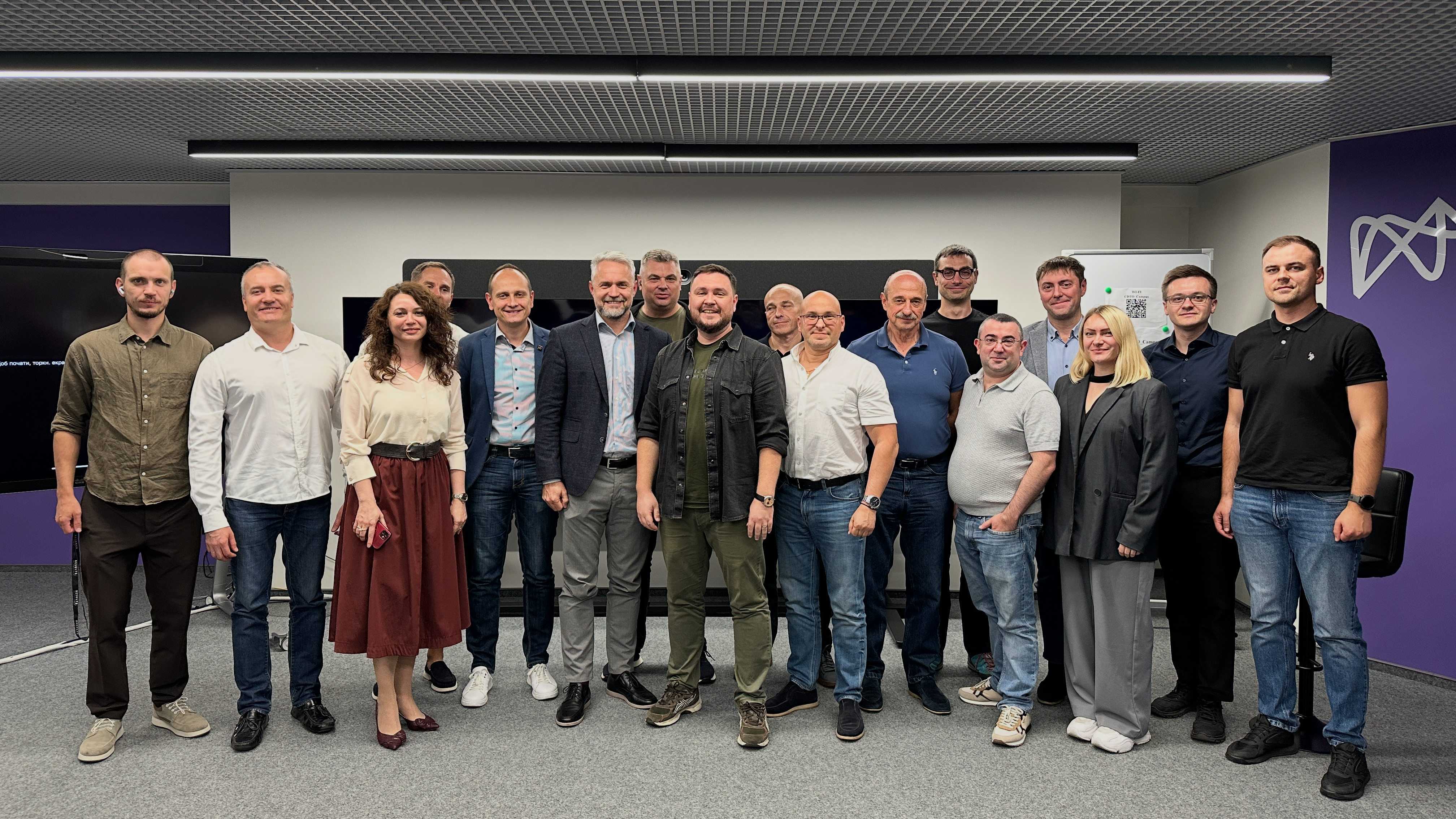
On April 23, the “Svoe.IT” conference took place in Uzhhorod, having gathered nearly a hundred participants from business, government, the IT community, and the banking sector. The event focused on practical issues related to the use of Ukrainian software, its implementation in companies and government bodies, and the digital threats posed by hostile software.
“Svoe.IT” was a response to the growing need in Ukrainian society for secure, independent digital solutions. The main topic of discussion was the transition from the inertia of using Russian products to a conscious choice of national software.
We joined the ‘Svoe IT’ initiative three years ago, as promoting Ukrainian software is an important element of our project ‘Hostile Software’. This project highlights the risks associated with using products from the aggressor country and offers secure alternatives. The events of recent days have underscored the relevance of this work. The IT Ukraine Association supports regional events as part of ‘Svoe IT’, in addition to the capital showroom in May. The first regional event in Uzhhorod has already proven that the format works. We will see you in the next cities!
– said Maria Shevchuk, Executive Director of ITU.
Special attention of visitors was given to the results of the ‘Hostile Software’ Project, presented by the IT Ukraine Association. According to research data, 70% of Ukrainian companies still use at least one product developed in the aggressor country. Among the most widespread are 1C/BAS, MoySklad, Kaspersky, Bitrix24, and Tilda. Despite ten years of war, over 40 such products remain active in the Ukrainian market.
At the same time, 500,000 Ukrainian companies are users of various versions of 1C software. Since 2017, state agencies have spent ₴1.16 billion on purchasing such software — funds that directly or indirectly end up in the budget of the aggressor country, funding the war.
A particular threat comes from backdoors and vulnerabilities in the code of such software, which opens up possibilities for cyberattacks, particularly on critical infrastructure. Since the start of the full-scale invasion, the SBU (Security Service of Ukraine) has neutralised over 10,000 such attacks.
Conference participants discussed how the state and businesses can coordinate efforts to switch to national solutions. The focus was not only on the development of new software but also on awareness-raising, legislative changes, and support for sectors requiring an individual approach. The importance of cross-industry cooperation, strategic partnerships with IT clusters, and joint pressure on the market to stop the use of hostile software was also emphasised.
The conference concluded with a networking event in an informal atmosphere. The key takeaway of the day was clear: digital sovereignty begins with the decisions we make every day — whether in procurement, settings, or habits — and this choice must be conscious.
The event was organised by the IT Cluster of Transcarpathia, GigaCloud company, and the business community Board of Transcarpathia. General partners were the IT Ukraine Association and UKRSIBBANK BNP Paribas Group.