Infosec Ukraine: Synergy of Government, Business and Education in the Fight Against Hostile Software
Infosec Ukraine: Synergy of Government, Business and Education in the Fight Against Hostile Software
Publication date:
Publication from:
IT Ukraine
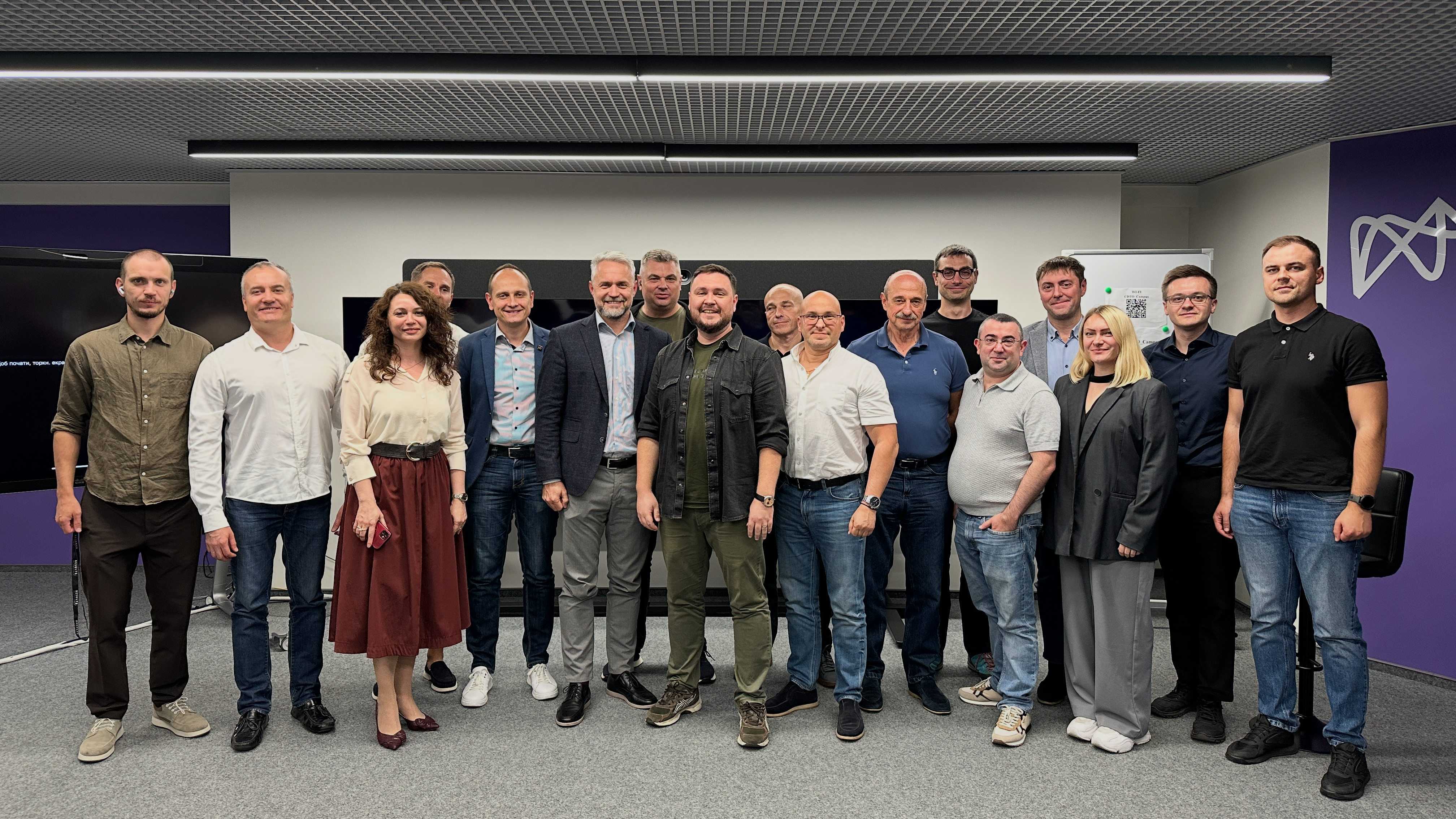
On May 6,theInfosec Ukraineconference took place, hosted by Parkovy.Tech, where experts from Ukraine and around the world exchanged experiences and collaborated on building digital resilience.
During the conference, a panel discussion titled “Hostile Software: The Strength of the Enemy and the Insufficiency of Our Efforts,” was organised by ITU, where experts discussed the main reasons for the inability to quickly eradicate malicious software at both state and commercial levels.
The discussion was moderated by Maria Shevchuk, Executive Director of the IT Ukraine Association. The speakers include:
Oleksandr Fediyenko, Head of theSubcommittee on Cybersecurity;
Sergii Gerasimov, CFO, VCHASNO GROUP;
Oleksandr Naida, CFO, Scientific Association for Cybersecurity ;
Oleg Shcherbatenko, Founder & CEO, IT-Enterprise.
Key topics of the discussion included:
The low effectiveness of sanctions: despite sanctions against russian software, a significant number of companies continue to use these products, posing serious security threats.
Challenges in transitioning to alternatives: businesses often lack sufficient motivation to switch to safer systems due to high costs and the complexity of reconfiguring existing processes.
The need for government support: to successfully replace hostile software with national or international alternatives, government support is essential for companies transitioning to secure software products.
Educational initiatives: the speakers emphasised the importance of changes in university curricula so that future professionals are prepared to work with modern, secure systems, rather than continuing to work with outdated russian software.
In conclusion, the participants of the discussion agreed that addressing this issue requires a synergy of legislative regulation, broad business support, and changes in educational policies to prepare new generations of specialists.