Publication date:
Publication from:
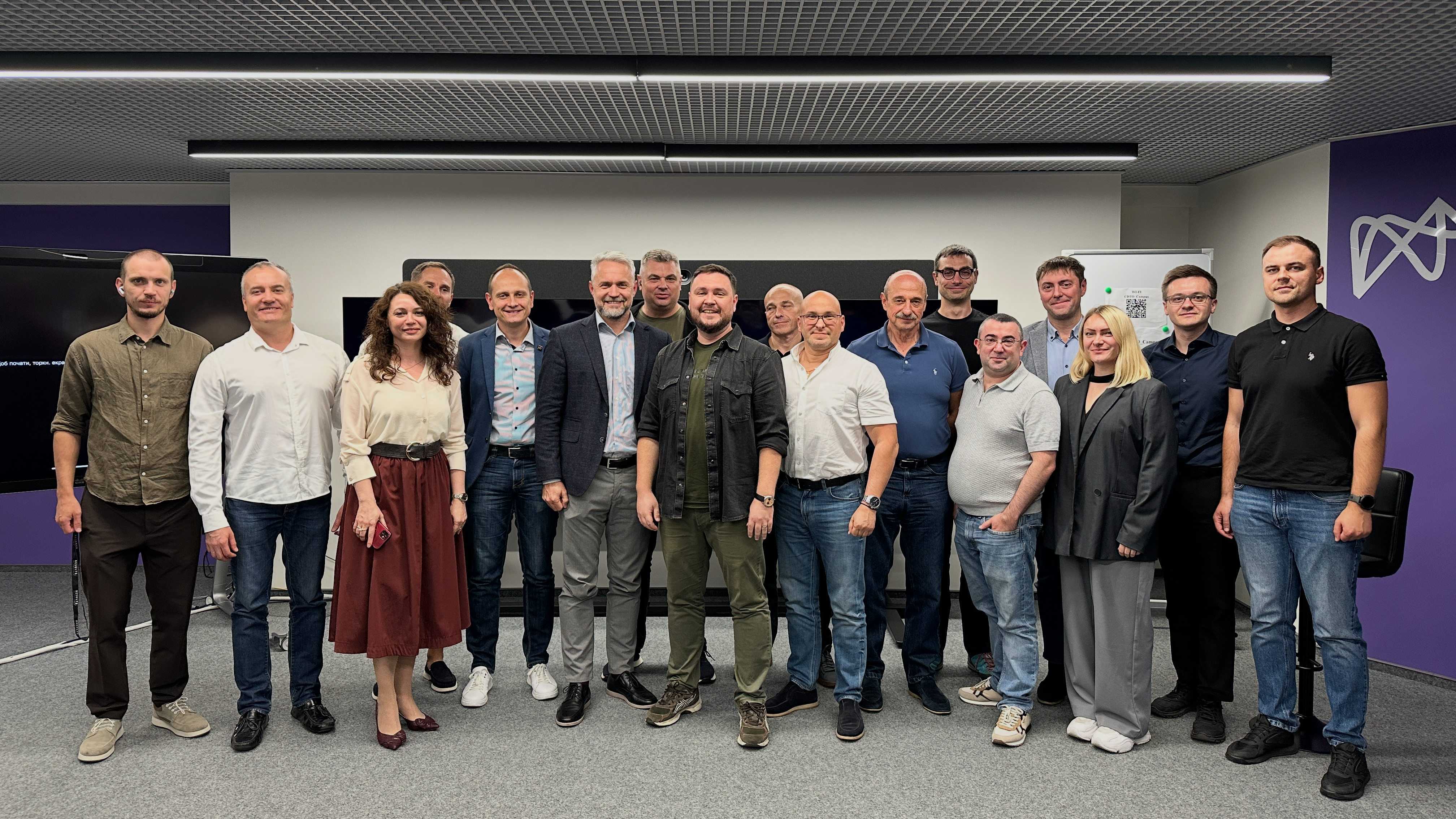
Helvetas, together with the State Employment Service and the Federation of Employers of Ukraine, presented the results of two large-scale studies: “Assessment of the Labour Market of Ukraine 2024–2025” and “Research on Registered Unemployment in Ukraine.”
Nearly 55,000 employers, providing jobs to over 4.2 million people, participated in the labour market study. Data for the other study was provided by approximately 70,000 registered unemployed individuals.
The purpose of the studies is to understand whom employers are currently seeking and planning to hire, how demand for workers is changing, what barriers job seekers face, and what can help them successfully find employment.
The labour market is severely affected by the consequences of the war. Demand for workers is increasing, while the number of those willing to be officially employed is decreasing. 31.7% of employers reported difficulties in finding personnel last year.
Maria Shevchuk, Executive Director of the IT Ukraine Association, joined the panel discussion “Ukrainian Labour Market 2025: Challenges, Business Demands, and Reform Strategy.” The speaker highlighted issues faced by the Ukrainian IT labour market: shortage of qualified personnel, staff reductions and changes in employee reservation conditions, increased taxes, formal and informal IT education in Ukraine, as well as industry trends.
The IT Ukraine Association systematically supports the development of the IT sector in Ukraine and calls on businesses, the state, and educational institutions to unite efforts to create a strong and resilient IT ecosystem.
Programs and initiatives implemented by the IT Ukraine Association for training and retraining personnel in the IT sector include:
The event took place within the framework of the project “Resilience: Building a Sustainable and Inclusive Labour Market in Ukraine,” implemented under the agreement between the Swedish International Development Cooperation Agency (Sida – Styrelsen för Internationellt Utvecklingssamarbete) and Helvetas Swiss Intercooperation, supported by Sweden.